
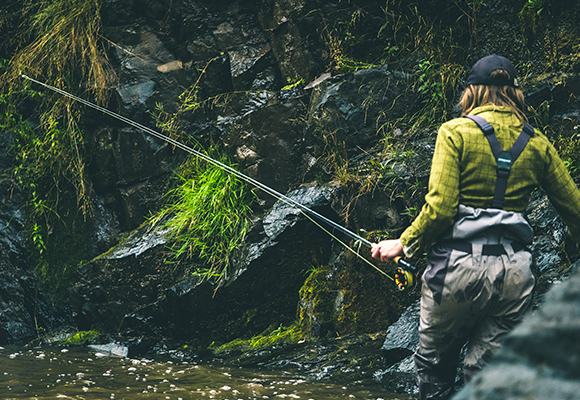
Lake Superior is not your typical Minnesota fishing hole; it behaves like a massive inland sea. Covering an astronomical expanse, fishing Lake Superior requires entirely different tactics and gear than the state’s smaller, inland bodies of water. Anglers looking for a true Duluth fishing adventure can target a rich diversity of premier cold-water species directly from the rugged shoreline or by heading miles offshore. The sheer scale of the water creates an unforgettable, world-class angling experience.
Do You Need a Fishing License for Lake Superior?
Yes, a valid Minnesota fishing license is required for all anglers aged 16 and older who want to experience the water. If you want to learn how to fish in our local waters, your first step is getting legal. You can easily purchase your license online through the Minnesota DNR website or in person at local bait shops around town. Annual options for residents and short-term tourist licenses are available, making it seamless to get hooked up for a quick weekend getaway.
Possession Limits and Trout Stamps
If you plan on targeting or keeping trout and salmon in Lake Superior, Stamp validation is a mandatory addition to your base license. Always consult the latest MN DNR regulations booklet for changes, but for the 2026 fishing season, the daily possession limits below posted boundaries include:
Lake Trout: 3 per day
Salmon (Chinook, Coho, Pink, Atlantic): 5 combined total
Rainbow Trout (Clipped): 3 per day (minimum 16 inches; must have a healed scar where the adipose fin was clipped by the hatchery)
Brook Trout (Below Posted Boundaries): 1 per day (minimum 20 inches)
Wild Steelhead (Unclipped): Catch-and-release only (any rainbow trout with its adipose fin intact must be returned to the water immediately)
Walleye: 2 per day (minimum 15 inches)


Top Fish Species in Lake Superior
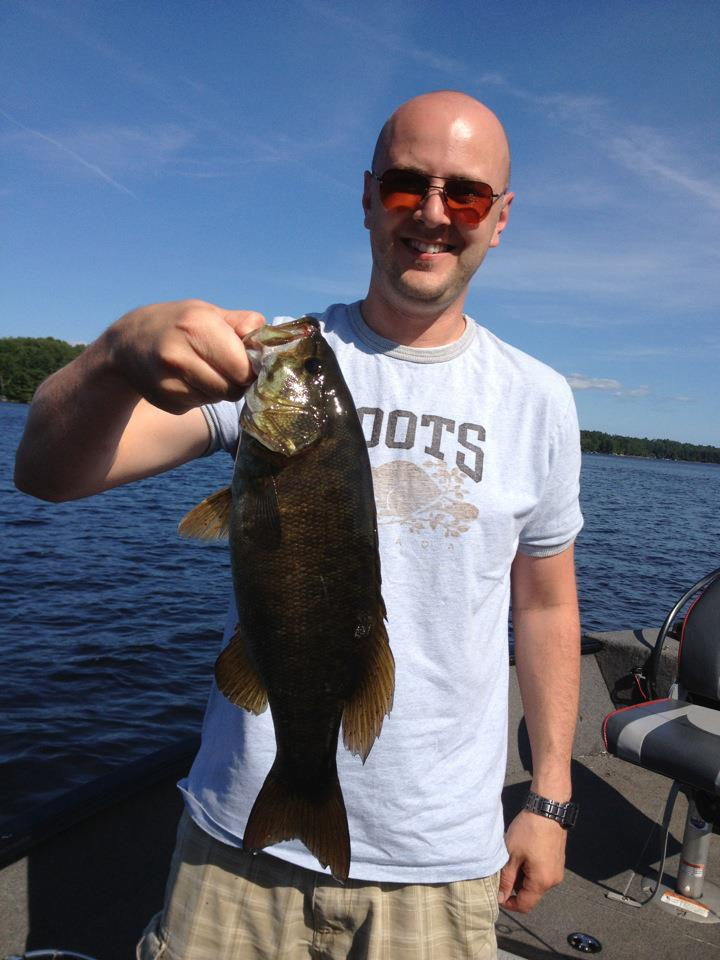
The deep, cold, and highly oxygen-rich environment of Lake Superior provides the ultimate habitat for pelagic (open water) apex predators. Because these species are highly migratory, their movements depend almost entirely on shifting water temperatures, wind directions, and baitfish patterns, making every day on the water a thrilling and dynamic chess match.
Lake Trout
Lake Superior lake trout are the absolute bread and butter of the local fishery. These deep-dwelling, cold-water giants can live for decades, making them a consistent target on deep-water trolling trips. As the summer sun warms the surface, these fish plunge into extreme depths, making precise depth control, local knowledge, and heavy-duty trolling gear essential for success.
Coho & Chinook Salmon
Experience the thrilling silver rush of Lake Superior salmon fishing. Hard-fighting Coho Salmon are typically smaller and abundant during the spring months, while massive Chinook Salmon (Kings) become the prized catches of late summer. Anglers target them via deep trolling methods or by casting spoons near river mouths, watching closely for temperature breaks and sharp water clarity changes.
Rainbow Trout (Steelheads)
Steelhead are legendary, hard-fighting migratory rainbow trout that offer spectacular, high-energy leaping action. They are a premier target for shore-casters along the rocky coastline, particularly during their intense spring and fall runs. Note that wild Steelhead with an intact adipose fin are strictly catch-and-release, while clipped hatchery fish may be kept according to current regulations.
Brook Trout
Native brook trout spend a portion of their lives growing to massive sizes in the cold, open waters of Lake Superior. Known for their striking, vibrant colors and elusive nature, “coasters” are fiercely protected along the North Shore. Anglers targeting them must adhere to strict conservation regulations, which include a rigorous 20-inch minimum size limit to protect the spawning population.
Brown Trout
Brown trout are aggressive, wary predators that tend to hover much closer to rocky shorelines and shallow underwater structures than other trout species. They are highly prized by both shore-casters and shallow-water trollers, especially during the spring when they actively hunt for baitfish in the warmer, nutrient-rich mixing zones near the Duluth shoreline.
Lake Whitefish
Lake Superior whitefish are a celebrated local delicacy renowned for their delicate flavor and unique schooling behavior. While frequently associated with commercial operations, they offer incredible sport for recreational anglers. You can successfully target them using light tackle during their fall spawning runs or through the ice right in the sheltered waters of the Duluth harbor.
Walleye
While not a primary open-water target in the deep lake, walleyes are a major highlight of the broader Duluth fishing experience. They thrive where the big lake, the active Duluth harbor, and the St. Louis River Estuary overlap. Anglers must pay close attention to boundary lines, as regulations and limits shift when moving between these connected waters.
Pro Tip: Keep your eyes on the water. Successful anglers look for sharp visual clues like dramatic temperature breaks, river mouths, or color changes. Finding where two water masses meet is often the secret to finding schools of active, feeding gamefish.

Book a Lake Superior Fishing Charter
If you are unfamiliar with the immense scale and shifting weather patterns of the inland sea, booking one of the professional Lake Superior fishing charters is the safest, easiest, and most productive way to get on the water. Experienced local captains provide all the specialized gear — including heavy-duty rods, downriggers, and advanced sonar electronics — to master seasonal fish patterns. Whether you choose a half-day or full-day excursion, a charter takes the guesswork out of targeting deep-water trout or salmon, allowing you to focus on the thrill of the catch.
The Lake Superior Fishing Calendar
Use this seasonal calendar as a strategic planning tool for your next trip. Remember that fishing Lake Superior is highly dynamic, changing month to month based on water temperatures, spawning migrations, shifting weather fronts, and safe access to the shoreline or open water.
| Season | Top Target Species | Primary Fishing Method | Local Tip |
|---|---|---|---|
| Spring (April – May) | Coho Salmon, Steelhead, Lake Trout | Shore-casting and shallow trolling | Look for the mud line near the ship canal; the warmer, murky water holds baitfish and predators. |
| Summer (June – August) | Lake Superior Lake Trout, Chinook Salmon, Walleye | Deep-water trolling (Downriggers) | Fish dive deep to find the thermocline. Booking fishing charters is highly recommended during this period. |
| Fall (Sept – Oct) | Pink Salmon, Chinook Salmon, Steelhead | Casting near river mouths | Focus on surf-casting the Lake Superior shoreline near the Lester or French River entries. Fish congregate in the lake’s mixing zone before heading upstream. |
| Winter (Dec – March) | Lake Superior Lake Trout, Steelhead, Coho Salmon | Ice fishing (Duluth Harbor / Bay Entry) | Safety is paramount. Always cross-reference local ice thickness reports before heading onto harbor ice. |
Pro-Tip: The spring mud line — where warm, brown river run-off cuts into the cold, crystal-blue lake water — is a biological hotspot. Baitfish flock to the warmer water, bringing hungry salmon and trout right to the edge of the plume.
Best Places to Fish Lake Superior in Duluth
Duluth is full of amazing things to do, but its fishing is uniquely accessible, allowing the wild, massive scale of Lake Superior to seamlessly meet convenient city access points. While navigating the open lake can feel intimidating, several approachable locations offer pathways to fish from shore, public piers, and sheltered boat launches. Keep in mind that daily success shifts based on water temperatures, wave conditions, and wind direction.
Lake Superior Shore Fishing Spots

Canal Park & The Aerial Lift Bridge
Anglers can experience thrilling pier fishing right from the concrete entry walls where the inner harbor basin meets the open lake. A wide variety of migratory trout and salmon pass directly through this narrow canal. However, anyone casting here must remain hyper-aware of passing commercial vessels, active boat traffic, and the large tourist crowds gathered near the bridge.
Lester River Mouth
The rugged, rocky shoreline where the Lester River empties into Lake Superior is a legendary local hotspot for shore-casters throwing heavy spoons. It is particularly famous for spring steelhead and fall salmon runs. Because regulations, boundaries, and seasons vary strictly between the open lake, the river mouth, and upstream tributaries, always double-check posted Minnesota DNR rules.
The Public Pier at McQuade Safe Harbor
This modern facility features an accessible concrete breakwater, scenic walkway, and designated fishing platforms. It offers shore-bound anglers a phenomenal way to present baits into deep Lake Superior waters without ever needing a boat. When conditions align, trout and salmon cruise right past the wall, but be cautious of large waves, slippery surfaces, and changing weather.
Duluth Harbor & Park Point
The expansive sandy shoreline of Park Point offers a fantastic setting for surf-casting, allowing anglers to wade directly into the shallows when wave conditions permit. Depending on the exact week, this nearshore zone can hold impressive numbers of hungry coho and steelhead. Always prioritize cold-water safety, as strong winds and quick temperature drops can impact your success.
Boat Launches for Lake Superior Fishing

Rice’s Point Public Access
Located centrally within the inner harbor, Rice’s Point provides excellent boat ramps, docks, and extensive trailer parking. It offers direct access to the St. Louis River, the harbor basin, and the open lake. Because parts of the inner harbor can be relatively shallow, boaters should follow all navigation markers and verify water conditions before pushing off.
McQuade Safe Harbor Boat Launch
Situated northeast of the city along the scenic highway, McQuade is a premier, modern small-craft harbor. Its protected breakwater design makes it the ultimate launch point for anglers heading north to troll for lake trout and salmon along the North Shore. Always cross-reference the marine forecast and wave conditions before leaving the safety of the harbor.
Plan Your Lake Superior Fishing Trip to Duluth
Fishing this magnificent inland sea delivers a sense of scale and excitement that standard lakes simply cannot match. Whether you prefer casting heavy spoons from the rocky shores of Canal Park or booking a professional deep-water charter to hook a monster trout, Duluth provides an accessible, world-class fishing destination for every skill level. Pack your tackle, check the weather, and book your Duluth getaway today!

Lake Superior Fishing FAQs
For more ways to have fun on Lake Superior, explore our comprehensive travel guide and trip itineraries!
Not at all. Duluth offers incredible shore-fishing access at spots like the Lester River mouth, the McQuade Safe Harbor pier, and Canal Park. Anglers frequently catch trophy trout and salmon without ever leaving dry land by casting spoons or using live bait rigs.
Early morning and late evening are universally the best times to fish. Low-light conditions bring predatory trout and salmon into shallower waters closer to shore to feed. Plus, wind and wave action are typically calmer during these golden hours, making navigation safer.
The lake sturgeon is Minnesota’s largest fish, capable of exceeding 100 pounds and living over a century. However, for sport anglers, the massive Chinook Salmon and lake trout are the primary heavyweights, with both species regularly reaching over 20 to 30 pounds.
Yes, fish from Lake Superior are an excellent, delicious local delicacy. However, because species like lake trout can live a long time, you should always consult the Minnesota Department of Health’s current fish consumption guidelines for safe serving frequencies based on age and species.
While standard medium-heavy freshwater rods work well for surf-casting or pier fishing, long rods (8.5 to 10 feet) help maximize casting distance. High-capacity reels spooled with strong, clear monofilament or braided line are important for handling the powerful runs of migratory lake trout and salmon.
Yes, when winter conditions permit, parts of the Duluth harbor basin and sheltered bays freeze safely enough for ice fishing. Anglers target lake whitefish, walleye, and coho salmon through the ice, but extreme caution and constant ice thickness checks are mandatory on this dynamic harbor.