
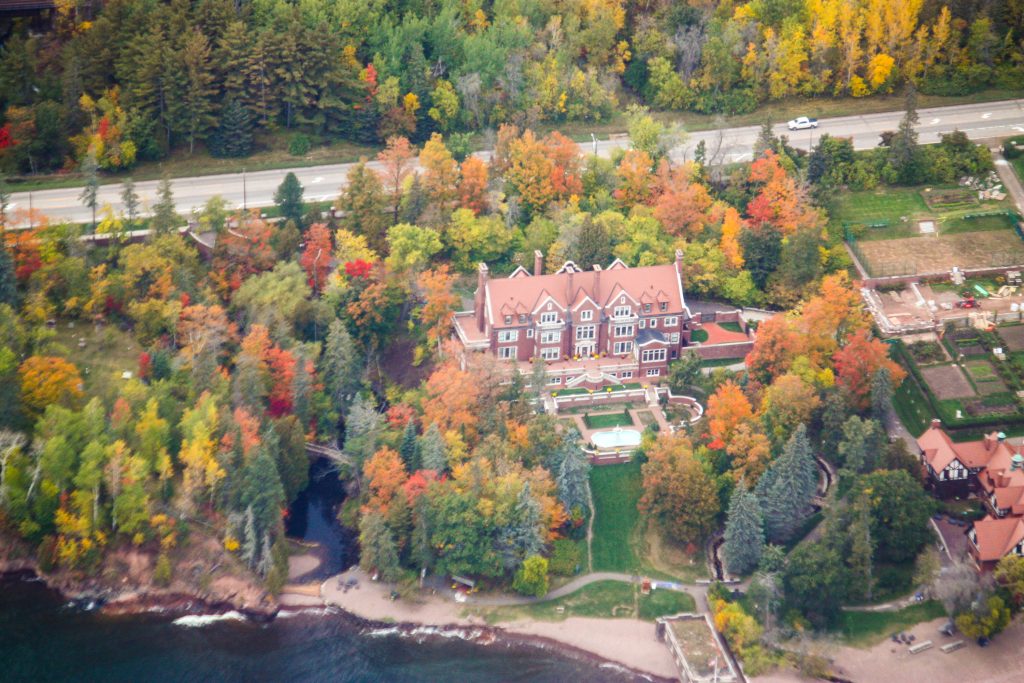
Glensheen Mansion is one of Duluth’s most recognizable landmarks, but there’s plenty to explore beyond its historic rooms. Its 2-acre estate offers historic gardens, wooded paths, and Lake Superior views visitors won’t want to miss. In this Q&A, Glensheen Head Gardener Emily Ford shares the stories behind the gardens, what it takes to care for them, and the details visitors shouldn’t miss.
Glensheen’s Gardens & Grounds: Worth the Trip on Its Own
Q: A lot of visitors come for the mansion and end up falling in love with the gardens. What do the grounds offer someone who has never been before, and what should they make sure they don’t miss?
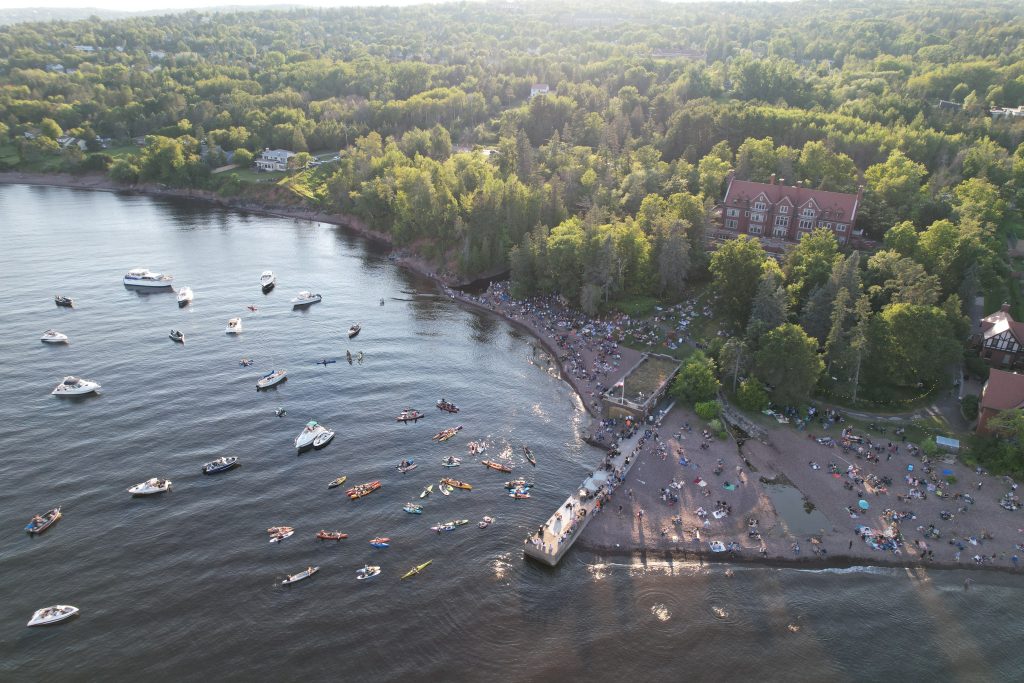
A: The location of Glensheen wasn’t chosen by accident in the early 1900’s. We have over 900 feet of easily accessible shoreline on Lake Superior with a pier that juts out into the lake. Even if the grounds were barren, the view alone is worth it!
However, since the grounds aren’t barren, there is so much to experience. The property has two main halves. One contains the kitchen gardens and our more informal gardens; the other holds our formal gardens and woods visitors can explore. With Chester Congdon’s early vision, Glensheen contains formality and wilderness in equal measure. Folks should stroll through the kitchen gardens and maybe play a round of tennis on the historic clay court before touring the house. Afterward, they can meander through the formal garden and seek out our secret tree swing.
Caring for Glensheen’s 12-Acre Estate
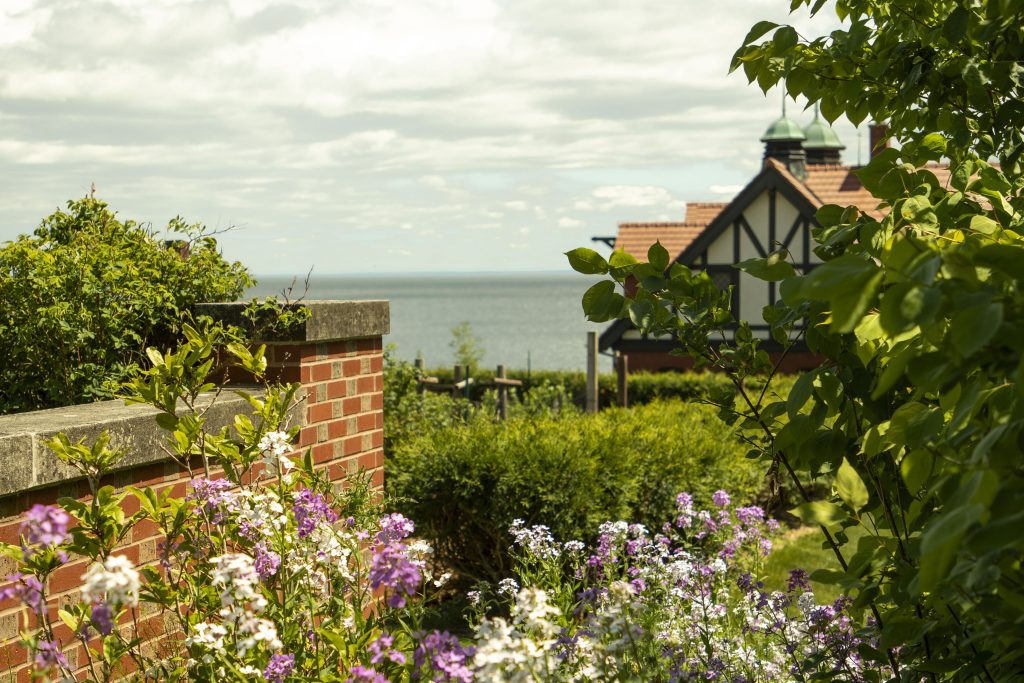
Q: How does your crew care for the gardens throughout the growing season? And speaking of crew, how many people does it take to keep 12 acres and 56 garden beds looking the way they do?
A: April means hitting the ground running, finishing the fruit tree pruning and hiring seasonal staff. Once the weather warms, it’s all hands on deck to prepare all of the garden beds to receive plants. I order 14 yards of compost from Duluth Dirt, and add several inches to most of the beds. When the soil is warm enough, we get all of our seeds and bedding plants in the ground and prepare for the long summer days of watering and weeding. Spring and summer feel like a whirlwind as fall approaches. Harvest season is the most delicious time of year.
Gardening Like It’s 1908: The Historic Formal Garden
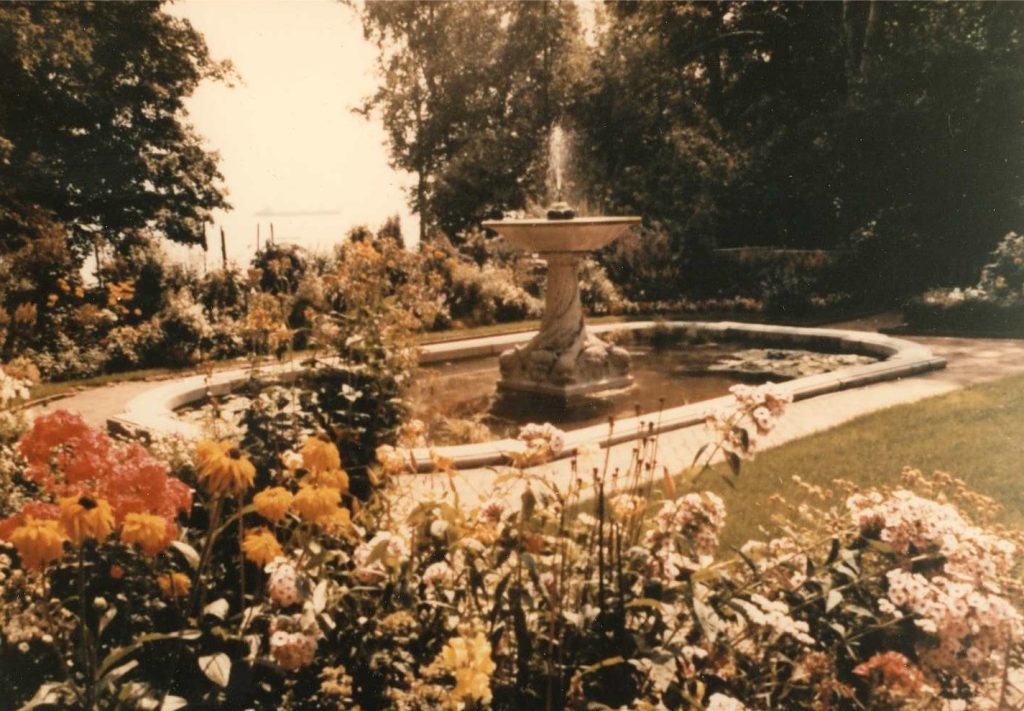
Q: The formal garden was reconstructed to look exactly as it did when the Congdons first walked through it. How did historical photos and records guide that process, and what does it feel like to bring something that old back to life?
A: One thing I learned from this process is that gardens change over time for a reason. An outside company looked at original documents to replicate the first historic formal garden. As the 1900s progressed, many of the original plants were replaced for various reasons. I’m learning what works in the Formal Garden’s climate and what doesn’t.
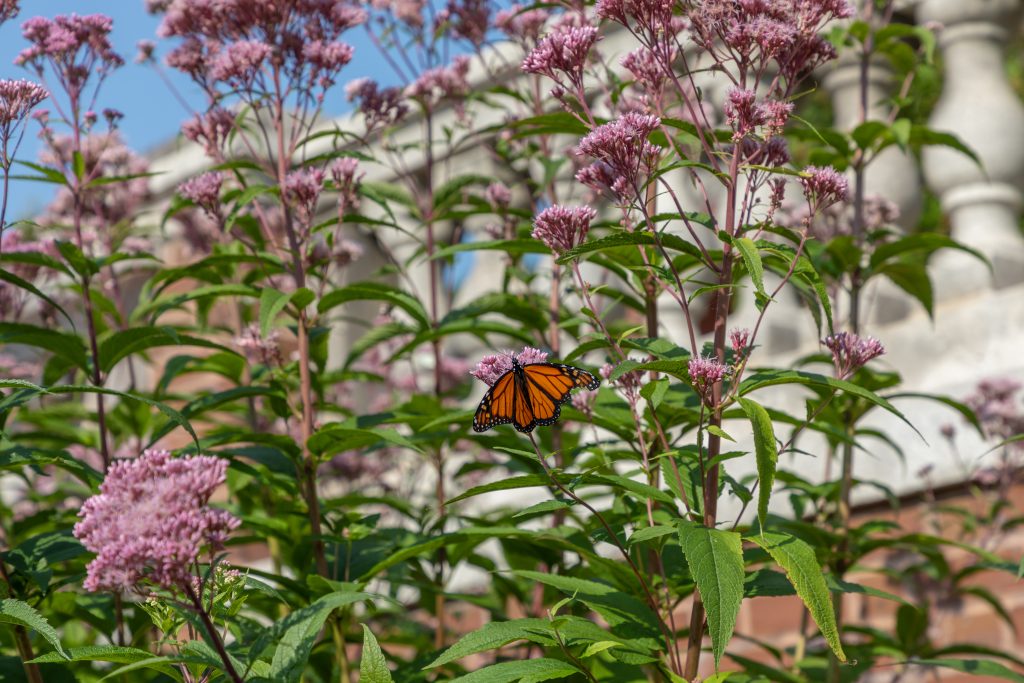
When we look at photos from the Wyness era (1930s – 1970s), we see a very different take on the Formal Garden. I now use that era as my reference point. I fill the garden with as much color as possible so it blooms throughout the season. Gardens are ever-changing spaces in the world. Even if we try to hold on to originality, things will inevitably change, grow, and die.
Wisdom From Glensheen’s Original Gardeners
Q: The estate’s original gardeners left behind journals that still inform how the grounds are cared for today. Are there techniques, habits, or pieces of advice from those journals that you still follow? And are there any that are a little funny or surprising by today’s standards?
A: The Wyness family left behind daily notes that I poured over in my early years. The wisdom that I gain from the journals offers good life reminders as well as gardening techniques.
- • Grow more than you think you’ll need.
- • Be ready for plants to die under your care; gardening is never 100% successful.
- • Pests are forever and are probably more resilient than you are, but keep at it anyway.
- • Pack in as much color as you can in any garden bed.
- • Amend your soils, feed them, and you will be highly rewarded.
The job of a head gardener is repetitive, but the result is worth it; keep being creative, keep being brave.
Plants Older Than Anyone on Staff
Q: The gooseberries and currants on the property are original plantings from over a century ago. What is it like to tend something that the Congdon family themselves would have walked past?
A: Not only are the gooseberries and currants century plants, but so is the rhubarb. A handful of years ago, I noticed a disease showing up on the rhubarb. I tried everything I knew at the time: remove bad leaves, clean up around the plants, feed them, etc. Year after year, more of the rhubarb died off. I was only 5 years into my position as head gardener, and I couldn’t imagine being the one who killed off our beloved rhubarb. I dug into research for nearly a week, and it turned out crown rot was the culprit: the result of poor watering.
Rhubarb doesn’t like wet feet. One summer, during a drought, I thought everything needed heavy watering to get through the tough arid stretch. I was wrong. All plants need different care, and boy was that a steep learning curve.
I ended up removing 70% of our rhubarb plants with hopes of saving the rest. I fixed the soil and have patiently waited for years before even thinking about planting rhubarb back in its original spot. In spring 2027, I will recreate the rhubarb patch, and I am very excited.
This experience really nailed down the gravity of the history before my time here. I truly stand on the shoulders of amazing gardeners. I rarely think of the Congdons in the gardens, or even pleasing them. I think of the Wynesses and how they would assess my modern-day choices.
How Lake Superior Shapes the Gardens
Q: How do Lake Superior and the Duluth climate shape what you plant, when you plant it, and what surprises you every season?
A: I have a handful of farming friends in the area. I keep an eye on their socials as they go through their season and remind myself that they are inland and, although we are in the same region, we have quite different climates. I do most of my planting after June 1, even peas and radishes. My friends start in May or April if the weather is warm enough and their hoop houses are ready. It teaches me to be patient and that my experience is no one else’s and vice versa.
Growing for the Duluth Community
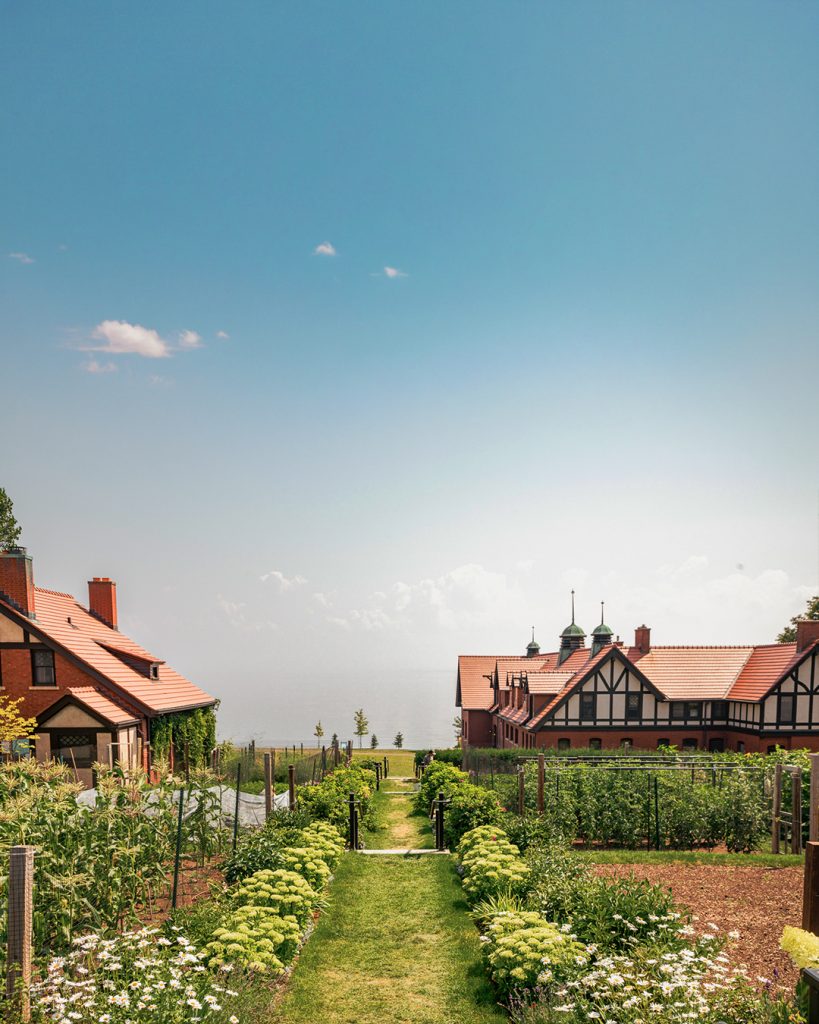
Q: Tell us about the vegetable garden and the weekly donations to CHUM and Union Gospel Mission. What does it mean to you that the grounds give back to Duluth in this way?
A: I feel lucky to have a job that grows so much produce. I have always loved growing food, even when I was as young as 3. It was how my family came together through the seasons. It takes many hands to plant a field, care for it, harvest it, and preserve the crops.
Now that I am an adult, I want to share with others in a similar way. We don’t sell any of our produce, and we grow plenty. Why not give it away? It just makes sense.
Other Duluth Gardens & Green Spaces Worth Exploring
Q: Are there other local gardens, green spaces, or natural spots you would point a visitor toward while they are in Duluth?
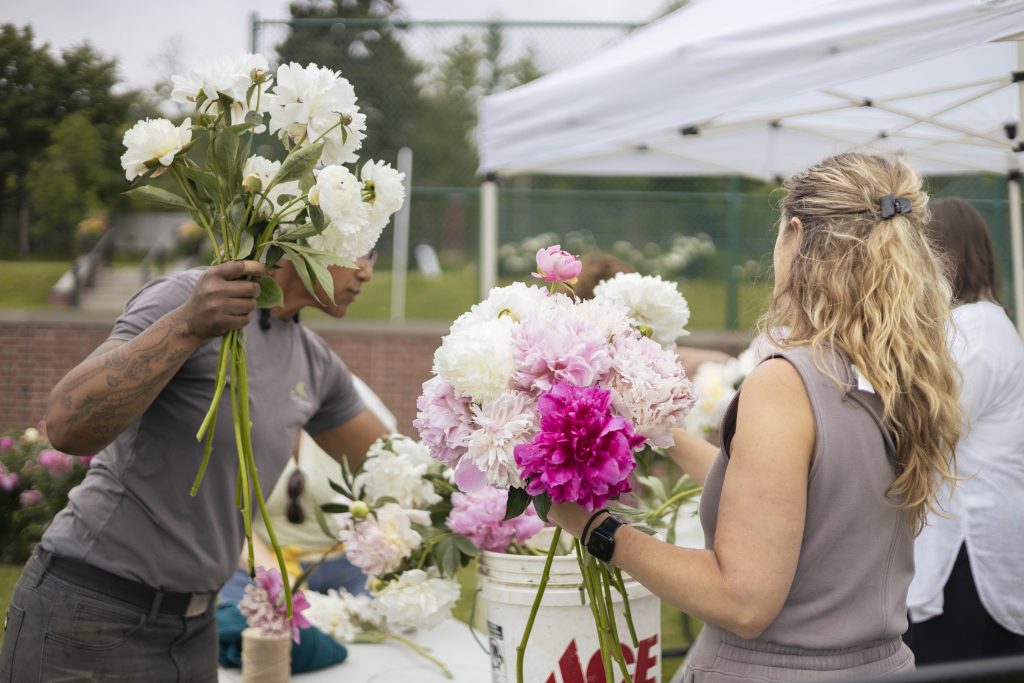
A: Duluth’s Rose Garden at Leif Erikson Park, to the west of us, is a beautiful spot to spend time. They do an amazing job curating their rose collection. Plenty of hiking spots run through town, since the Superior Hiking Trail follows the lake nearly all the way to Ontario. We have plenty of water features, like Chester Creek and Lester River; both are delightful year-round.
Hidden Details in Glensheen’s Gardens
Q: Is there a hidden corner, an easy-to-miss detail, or a particular time of year when the grounds are especially magical that you want every visitor to know about?
A: If you look carefully, you will find hidden trails and a hidden tree swing.
Advice From a Modern Gardener in a Historical Place
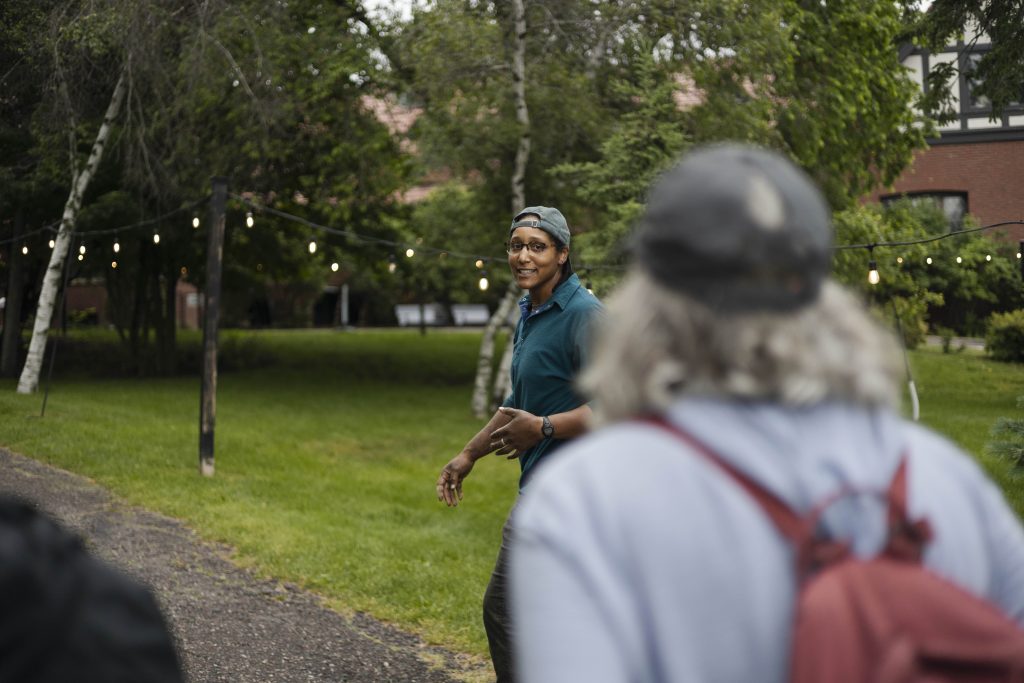
Q: You tend one of the most storied properties in Minnesota while bringing your own knowledge and instincts to the work every day. What tips or pieces of advice would you pass along to gardeners, whether they are tending a window box or a few backyard beds?
A: To be a good gardener, you must pay attention and observe, then take action. If you take action without knowing why, you will lose a lot of plants. You will overwater, underfeed, prune at the wrong time, or plant something in the shade that needs full sun or vice versa. I would say being a gardener isn’t too difficult, but being a good gardener can be. If you pay attention, you may be rewarded greatly!
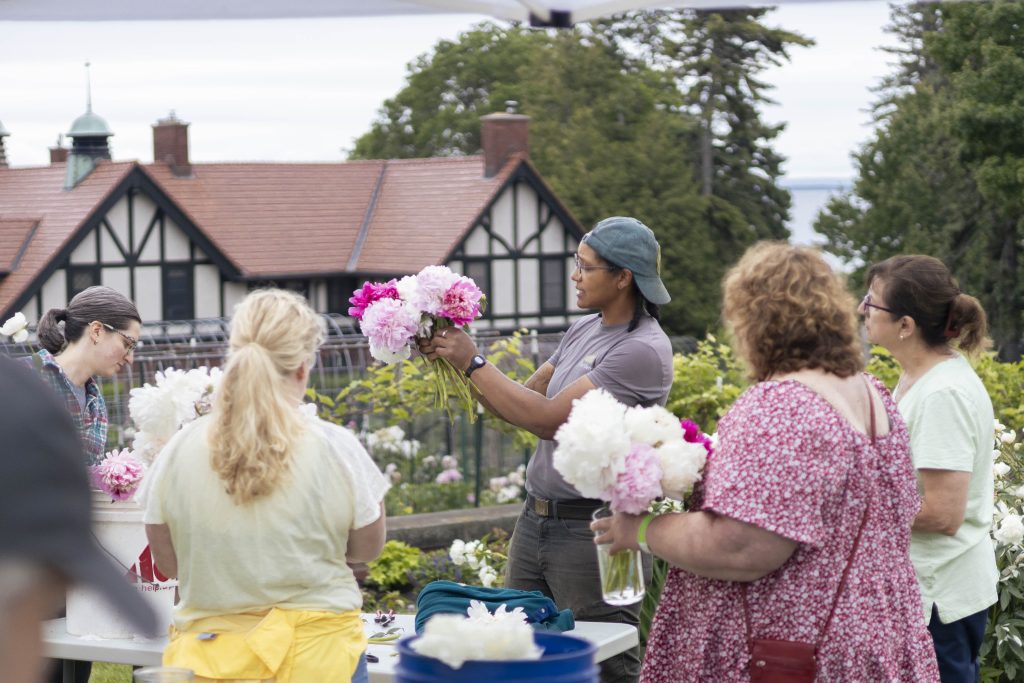
Glensheen Mansion Visitor FAQs
When are Glensheen’s gardens and grounds open?
• Summer (May 18 to October 19): Open daily, 9 a.m. to 5 p.m.
• Winter (October 20 to May 17): Open 10 a.m. to 4 p.m. Open days vary by season.
Please check Glensheen’s Hours of Operation page for holiday hours.
How much does it cost to visit Glensheen’s gardens?
Tour tickets range from $8 (Youth) to $32 (Adult, Full Mansion Tour). Children 4 and under are free. Museums for All tickets are $3 with an EBT or Medical Assistance card. See how to qualify.
How do I sign up for a tour?
Buy tickets online at tickets.umn.edu/glensheen or call (218) 726-8910. Classic Tour tickets do not need a set time. Full Mansion and guided tours are best booked ahead, since they often sell out from July through October and in December.
What tours are available at Glensheen?
The self-guided Classic Tour (about 1 hour) covers three floors of the mansion. The self-guided Full Mansion Tour (about 1.5 hours) covers all five floors. Guided and seasonal tours are also offered.
Can I explore Glensheen’s grounds without touring the mansion?
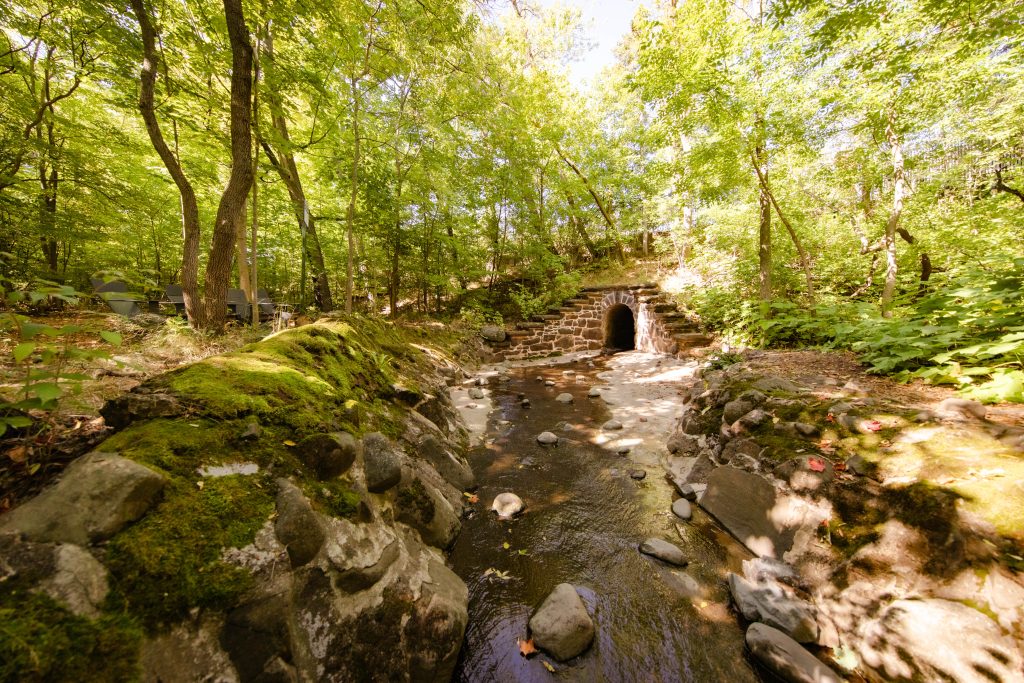
Yes. You can purchase grounds-only admission to explore Glensheen’s 12-acre estate without touring the mansion. The grounds include formal gardens, a stone arch bridge, walking paths and a pier on Lake Superior. Picnics are welcome outdoors during regular operating hours.
Does Glensheen have a gift shop?
Yes. The Museum Shop is in the Carriage House, and you do not need a tour ticket to visit it. It sells gifts, books, local artisan items, snacks, and ice cream in warmer months.
Is there onsite parking at Glensheen?
Yes, free onsite parking, including accessible spaces. The lot can fill at busy times, and street parking is nearby.
Are Glensheen’s gardens and grounds wheelchair accessible?
The first floor and lower level of the mansion are wheelchair accessible, and a $5 Limited Mobility tour is available. The upper floors are reached by stairs. Please call ahead with any accessibility questions.
Are dogs allowed in Glensheen’s gardens?
Pets and emotional support animals are not permitted on Glensheen’s grounds or inside its buildings. Service dogs are welcome.
Can I bring food?
Food and drinks are welcome outdoors on the grounds, but only water is allowed inside the mansion. Alcohol and glass are not allowed.
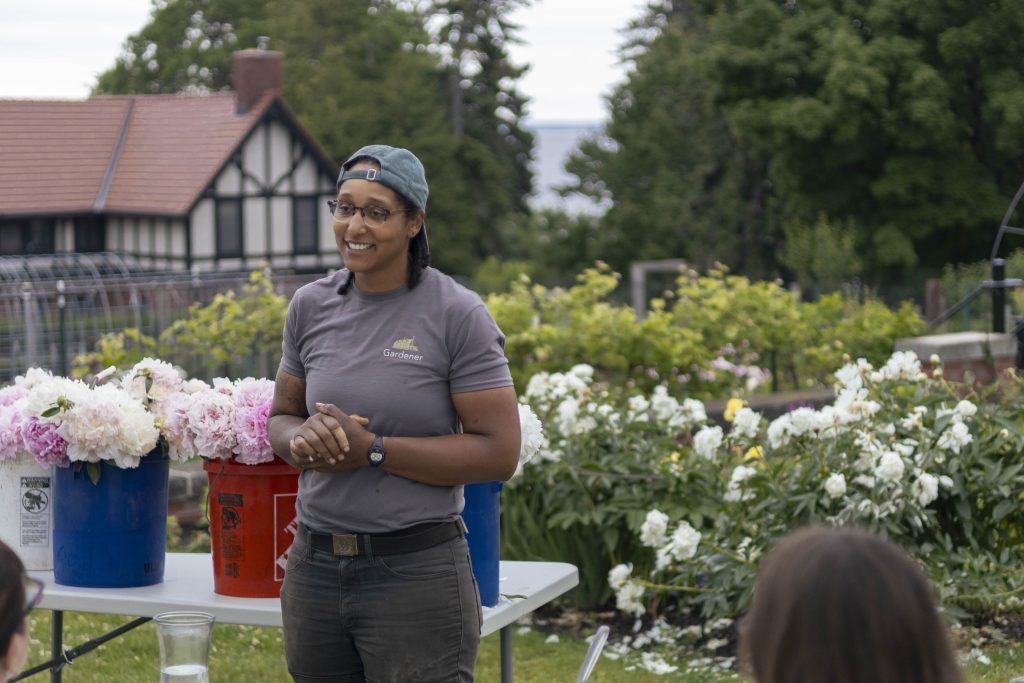
Emily Ford
Emily Ford is the head gardener at Glensheen Mansion in Duluth, Minnesota, tending the historic estate’s century-old vegetable and flower beds for a decade. She is a record-setting winter adventurer and musher—notably the first woman to thru-hike the 1,135-mile Ice Age Trail in the winter.